
Motivations for Sustainability Action
Motivations for Sustainability Action
Insights Studies on Motivations for Sustainable Living Action
Why do some people choose to buy second-hand, eat more plant-based diets and actively reduce their home energy use? And what do these diverse motivations mean for all of our efforts to mainstream sustainable living?
About the Motivations
We are committed to a Motivations lens because it helps us understand how to encourage more sustainable choices across people with diverse attitudes and values.
When we design our services, messaging and offers with an eye to different Motivations, we expand the tent! Our end game is to help everyone live more sustainably – but in their own way and for their own reasons. This is not a study of people’s attitudes to sustainability.
Sitra’s approach (and ours) is to understand every decision people make. People are asked about a range of choices and why they make them (or not) – including where they choose to live, what they choose to eat, how they get around, how they use energy, what they buy and how they invest their money. By understanding why people make certain choices, we can move past the reality that not everyone is motivated by the environment (though many are concerned by climate change). People make different choices depending on the situations they’re in. To fully understand this complexity, we can’t simply look at fixed factors of identity, such as demographics and general attitudes. The resulting segments (and % of the overall population) represent motivations, not groups of people. Based on this understanding, we can tap into diverse Motivations – their desire to waste less, to enjoy new experiences, to be frugal – and in this way, encourage more sustainable choices by everyone.
The Motivations are grounded in both deep interviews and large-scale surveys, this work goes beyond awareness to uncover what truly drives action — from staying healthy and saving money to caring for the planet and creating a fairer world. Whether you’re a municipality, business, or community organization, these insights can help you connect, design, and engage more effectively.
Motivation Studies

British Columbia Motivations
An insights study jointly prepared with One Earth Living and the Share Reuse Repair Initiative (SSRI) revealing 7 motivations for sustainable living action in British Columbia. Sponsors: Sitra, Vancity.

Québec Motivations
An insights study jointly prepared with One Earth Living and RECYC-Québec to reveal the 6 motivations for lighter living action in Québec. Sponsor: RECYC-QUÉBEC.
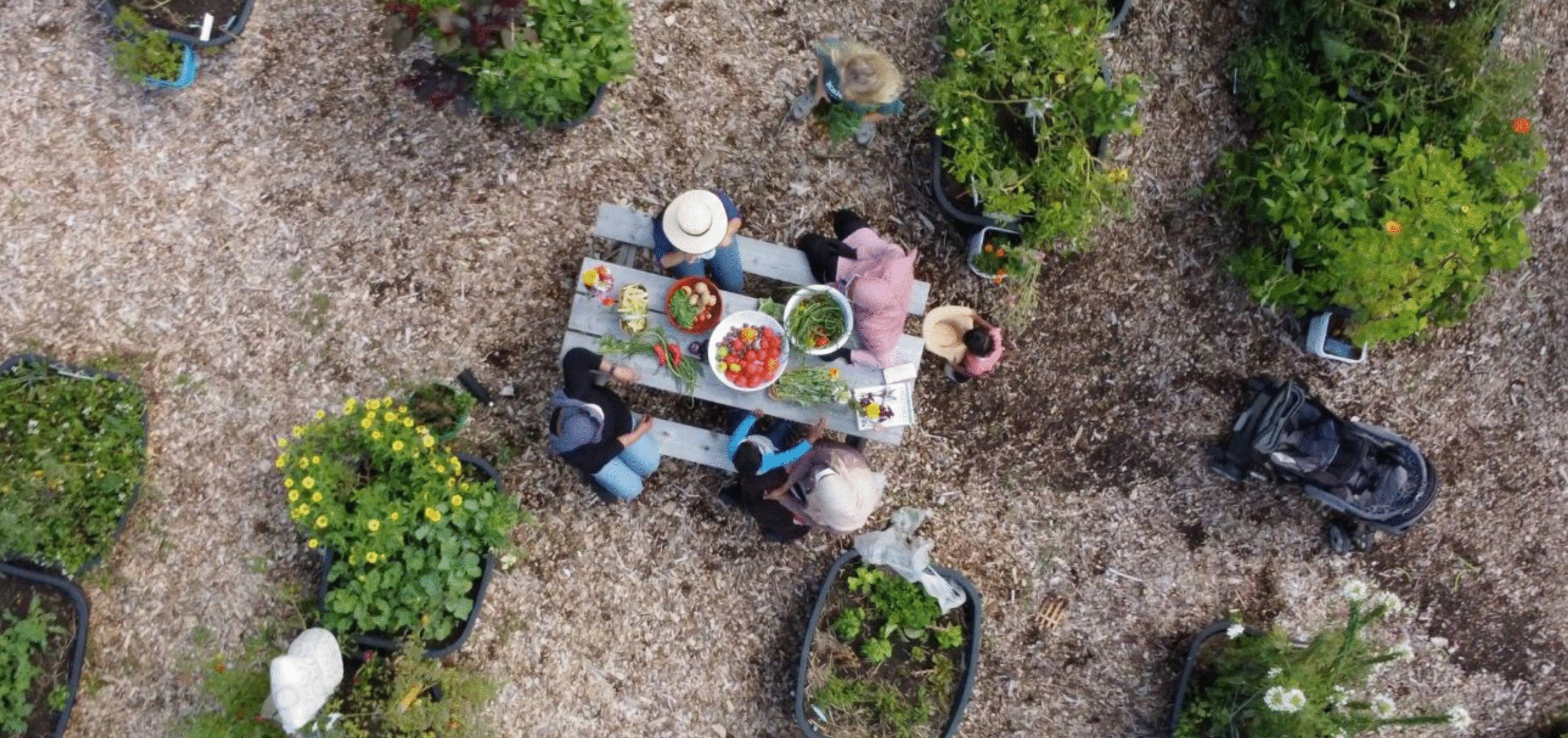
Guelph-Wellington Motivations
An insights study jointly prepared with One Earth Living and Our Food Future to reveal 7 motivations for lighter living action in Guelph-Wellington. Sponsor: Guelph-Wellington | Our Food Future.
Learn More
The Motivations work in Finland inspired our approach, and we advised on the most recent report. In Hong Kong, we are supporting the team at Hong Kong University of Science and Technology adapt our approach to the unique situation of Hong Kong.

Finnish Motivations
This study yielded 7 dominant motivations for ‘smart consumption’ among the Finnish population. Sponsor: Sitra.

Hong Kong Motivations Study
In Hong Kong, interviews indicate that sustainable living may be driven more by thrift and self-sufficiency than by trends or peer influence — a hypothesis the upcoming Motivations survey will explore.
Stay Tuned
Using the Motivations to Shape Strategies and Solutions
There are many ways that the Motivations can be used by businesses (both start-ups and established companies), as well as organisations, municipalities and campaigns with two foundational purposes:
- Get existing audiences or customers to do more by embracing existing or new offerings; or
- Strategically reach new target audiences or markets.
For example, after 160 businesses in Guelph-Wellington were introduced to this Motivations approach, they explored how to weave these insights into their business models and expand their market. A consumer goods company ramped up its social media outreach, and a new downtown store highlighted both the style and thriftiness of second-hand goods – accelerating growth and enhanced outreach for both businesses.
Explore some of the ways the Motivations have been used across Canada and in Finland! Reach out if you’d like to apply the Motivations to your target audience or customer base at info@oneearthliving.org. We can also run a virtual or in-person workshop.
Everyone helping to mainstream sustainable living can use the Motivations — from private-sector innovators and support programs to cities and nonprofits. Across sectors, organizations are using the Motivations to refine outreach, design services, and align climate action with what matters most to people. Whether you’re shaping a new campaign, building a business case, or rethinking engagement strategies, the Motivations can help you connect more meaningfully and spark lasting change. Here are some examples.


Close
Contextualize Consumer Choices
OPEN Technologies and Vancity Credit Union
OPEN Technologies, a software company helping people that shape our cities make pro-climate decisions, and Vancity, Canada’s largest credit union, expected that people who own a heat pump would likely do so because they are motivated ‘by the planet.’
A set of questions designed to apply the Motivations was added to a survey of 750 homeowners in Southwest BC. Surprisingly, the survey data showed that people motivated by ‘the planet’ are actually LESS likely to own a heat pump. The 7% of the BC population with a ‘Work Hard, Live Large’ Motivation are more than twice as likely to own a heat pump. These are people motivated by personal comfort and product performance.
This may be explained by the strong correlation between heat pumps and the type of home that ‘Work Hard Live Large’ are more likely to occupy: suburban, single-family detached homes built after 2000. With clarity that structural factors are more important drivers of heat pump adoption than homeowners being motivated ‘by the planet’, OPEN, in their public research report ‘Stuck’ (2022), could confidently call on policymakers to overcome the barriers that stand in the way for homeowners.
Close
Identify Growth Opportunity
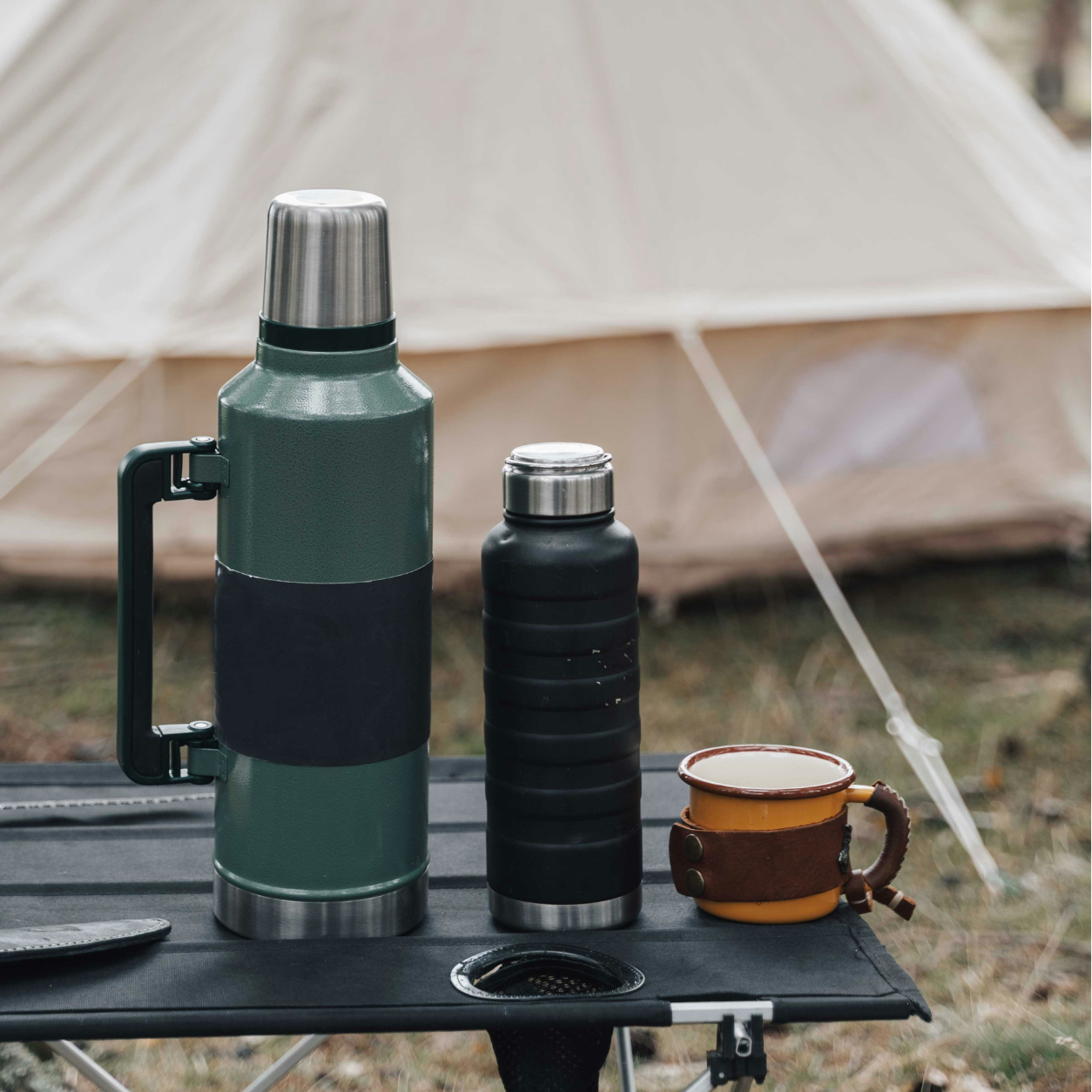
Global Outdoor Products Brand
An American manufacturer of outdoor products (ice chests, stainless-steel drinkware and soft coolers) expanding into Canada at the same time the team was developing a circular economy strategy. The motivations framework helped size and illuminate North American growth segments for their circular strategy. A set of questions designed to apply the motivations was added to a survey of Canadian and US customers and potential customers. Survey analysis identified the estimated percentages across the 7 motivations.
Interest in circular programs (such as recommerce and product take back) was measured for each of the segments. The Shop Style & Social segment represents the biggest growth opportunity for the brand (41% of audience in Canada, 37% of the audience in the US) but they are not currently interested in circular programs. The insights and data tell us it’s likely that people with a Shop Style & Social motivation need to see others engaging in circular programs to feel it’s ‘the norm’ or the trendy thing to do. While Eco-Trends is a smaller % of the audience, it was recommended that the brand consider first engaging people with an Eco-Trends motivation to participate in its circular programs. They in turn, will influence the larger Shop Style & Social segment.



Close
Expand Customer Base
Järki Särki (Sitra case study)
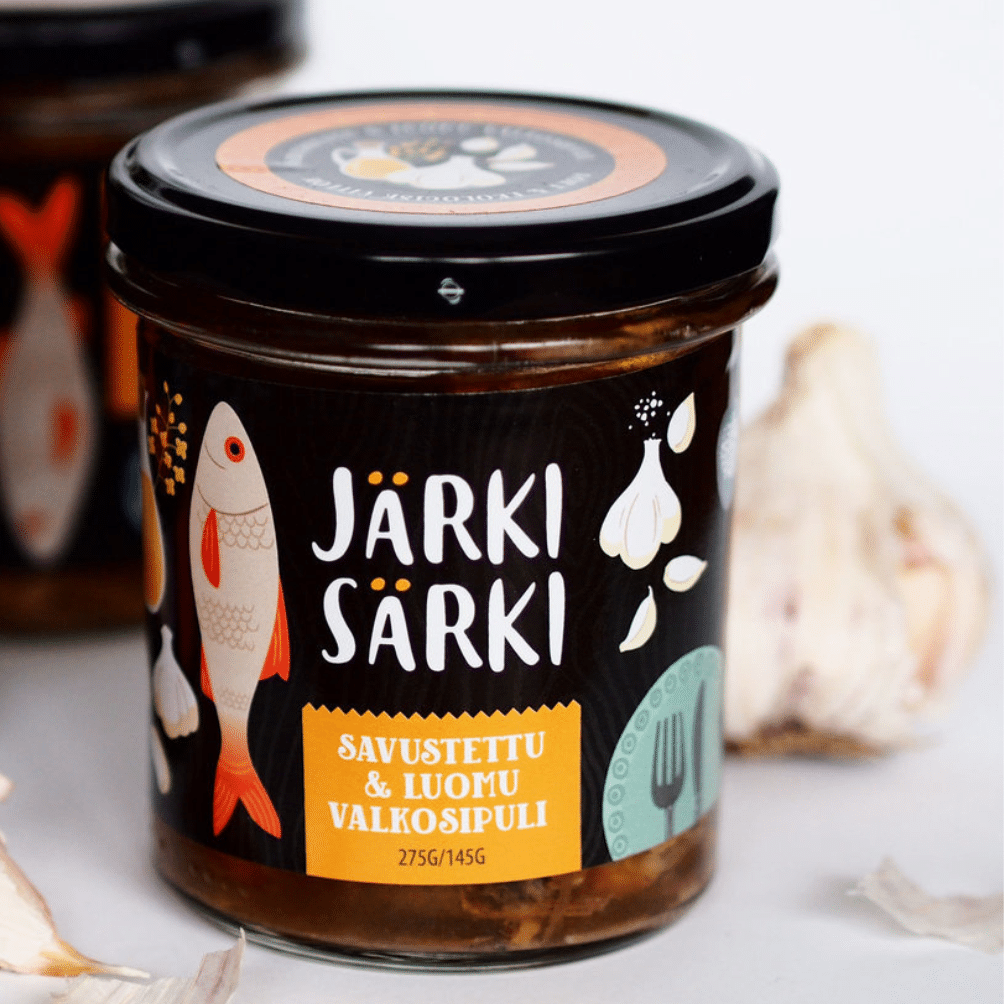
With very few domestic fish options on the market in Finland, a food waste entrepreneur used the motivations to seize new market opportunities for the Jarki Sarki brand. Järki Särki brand is a Finnish fish delicacy made of what’s called ‘roach’ fish, an invasive species that degrades the water quality of lakes. Normally, it would be wasted.
Järki Särki team was part of The Sitra Smart Everyday Development Program which taught Finnish entrepreneurs how to apply Sitra’s segmentation to their sustainable business idea. They were first asked to compare the motivations to their customers. Then they were asked to identify their potential customers as well as the reasons they would be interested in the product.
Through the lens of the motivations, the team understood that Finns are motivated to buy Järki Särki for different reasons:
- Preference for domestically produced products
- To reduce food waste
- Shifting their diet from red meat to more sustainable alternatives
And that their early adopters likely represented only 9% of Finns. With some product design and messaging changes, the brand could reach two more motivations (53% of Finns). With the motivations insight informing the brand story, the team was able to expand distribution to thousands of stores in Finland. In the first year of the re-brand, sales grew +50%. In the second year, +30%.

Close
Improve Sorting and Organic Waste Diversion
Guelph-Wellington Local Government
Based on the insight from the Motivations study that Shop, Style & Social is the main motivation in Guelph-Wellington, the local government adopted a pro-social approach approach which greatly improved sorting and organic waste diversion. They placed gold stars on the compost bins of residents with exemplary food scrap sorting practices, to signal to neighbours who has a “clean bin.” and paired this with a social media campaign and a celebratory community dinner.

Close
Create Buzz for Upcycled Ingredients
The Guelph Box
The Guelph Box project harnessed pro-social motivations by offering an innovative “upcycled food box” during the holidays, packed with locally sourced ingredients that might otherwise have been tossed. A shareable social media campaign resonated with consumers and led to nearly 100 boxes sold, prompting an additional run in March.

Close
Clarify Target Market
The Ethical Chair, Revivify with Share Reuse Repair Initiative
The Ethical Chair is a concept-stage program of Revivify that sells reclaimed and upcycled pre-owned furniture. Their mission is to reduce furniture going to landfill while creating jobs for refugees. The Ethical Chair team tested ‘eco-good’ vs. ‘social good’ messages (reduce waste to landfill vs. support local repair jobs) via a method called an A/B test to gauge which was most compelling to their audience. They tested the two messages on Instagram, measuring the number of “likes” and “follows”.
When the Ethical Chair team originally considered the 7 motivations they weren’t sure if their target market would be Eco-Trends or Waste Not, Want Not. By doing the A/B test, they learned and gained confidence that their target is those with an Eco-Trends motivation. The test saw strong “likes” for both social good and eco-good (57% vs. 43%) and both are core values and attributes of the Ethical Chair brand. These findings also reinforced the importance of messaging about both eco good and social good in branded content.
Close
Reach New Customers
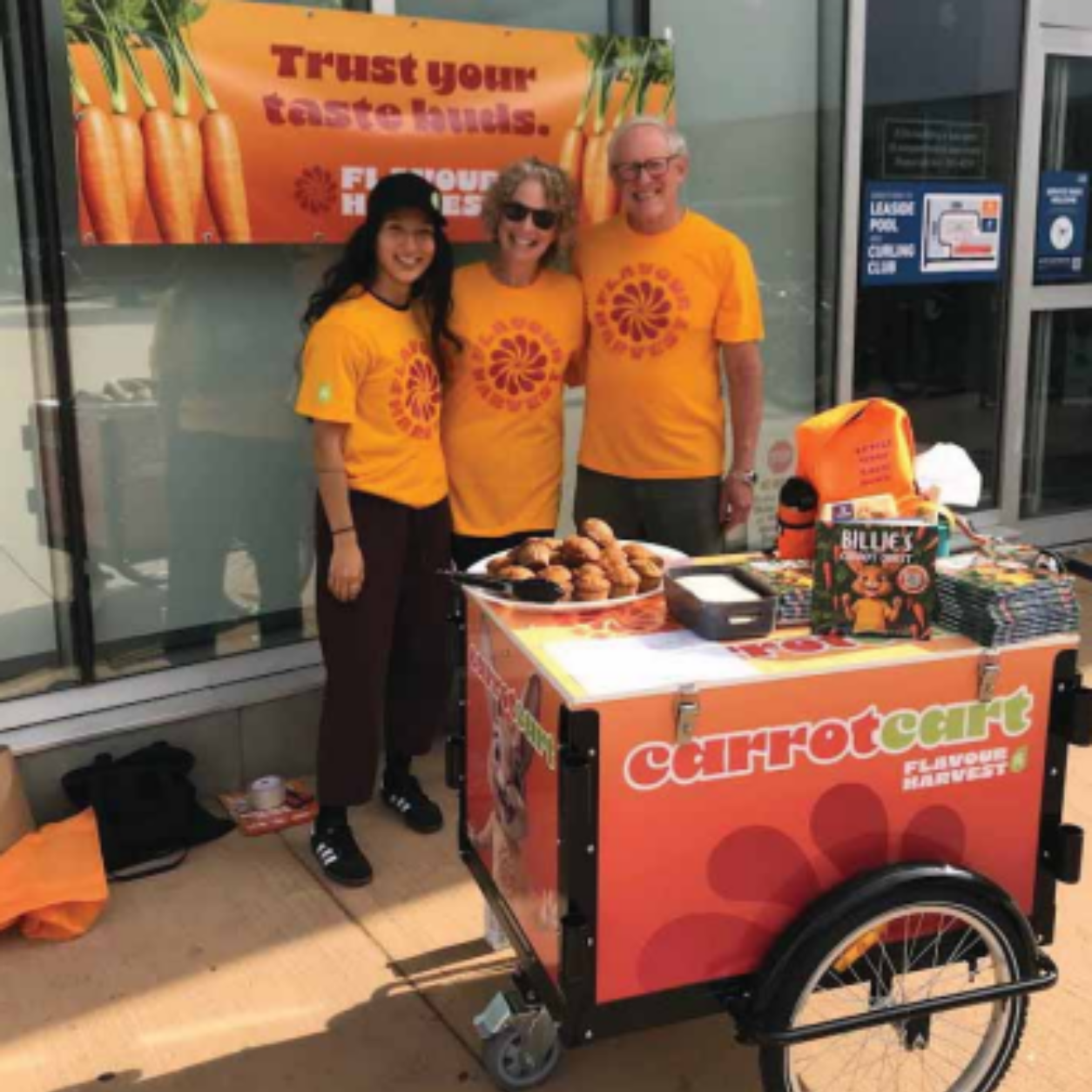
Flavour Harvest
The Canadian Centre for Food and the Environment worked together with OneEarth Living to see how the Motivations overlaid with the customer base of a Toronto-based grocery store chain – The Sweet Potato is one of the largest suppliers of local, organic food in Ontario.
They wanted to reach people beyond their existing core customers, helping change what they eat and how they shop. We applied the segmentation to the Sweet Potato customer base and 35% had the Eco-Trends motivation (almost double the general population). The Eco-Trends segment, is motivated to reduce their environmental impact, to be a good example to others in their shopping choices (i.e., through social media sharing) and to ‘buy local.’ However people with this motivation need to be engaged with simple & positive messages.
They focused in on mothers with an Eco-trends motivation, and encourage the uptake of organic carrots through an engaging campaign which included in-store tastings and a charismatic bunny. A free, two day event at The Sweet Potato store was designed to do the heavy lifting of delighting and educating parents and children together.
Contextualize Consumer Choices
OPEN Technologies and Vancity Credit Union
OPEN Technologies and Vancity Credit Union teamed up to identify the factors that are holding back the shift from natural gas home heating towards clean alternatives, such as electric heat pumps.
Identify Growth Opportunity
Global Outdoor Products Brand
The motivations framework helped size and illuminate North American growth segments for their circular strategy.
Reach New Customers
Flavour Harvest
The Canadian Centre for Food & Ecology worked together with One Earth living to see how the motivations overlaid with the customer base of a Toronto-based grocery store – the Sweet Potato.
Contextualize Consumer Choices
OPEN Technologies and Vancity Credit Union
OPEN Technologies and Vancity Credit Union teamed up to identify the factors that are holding back the shift from natural gas home heating towards clean alternatives, such as electric heat pumps.
Identify Growth Opportunity
Global Outdoor Products Brand
The motivations framework helped size and illuminate North American growth segments for their circular strategy.
Reach New Customers
Flavour Harvest
The Canadian Centre for Food & Ecology worked together with One Earth living to see how the motivations overlaid with the customer base of a Toronto-based grocery store – the Sweet Potato.
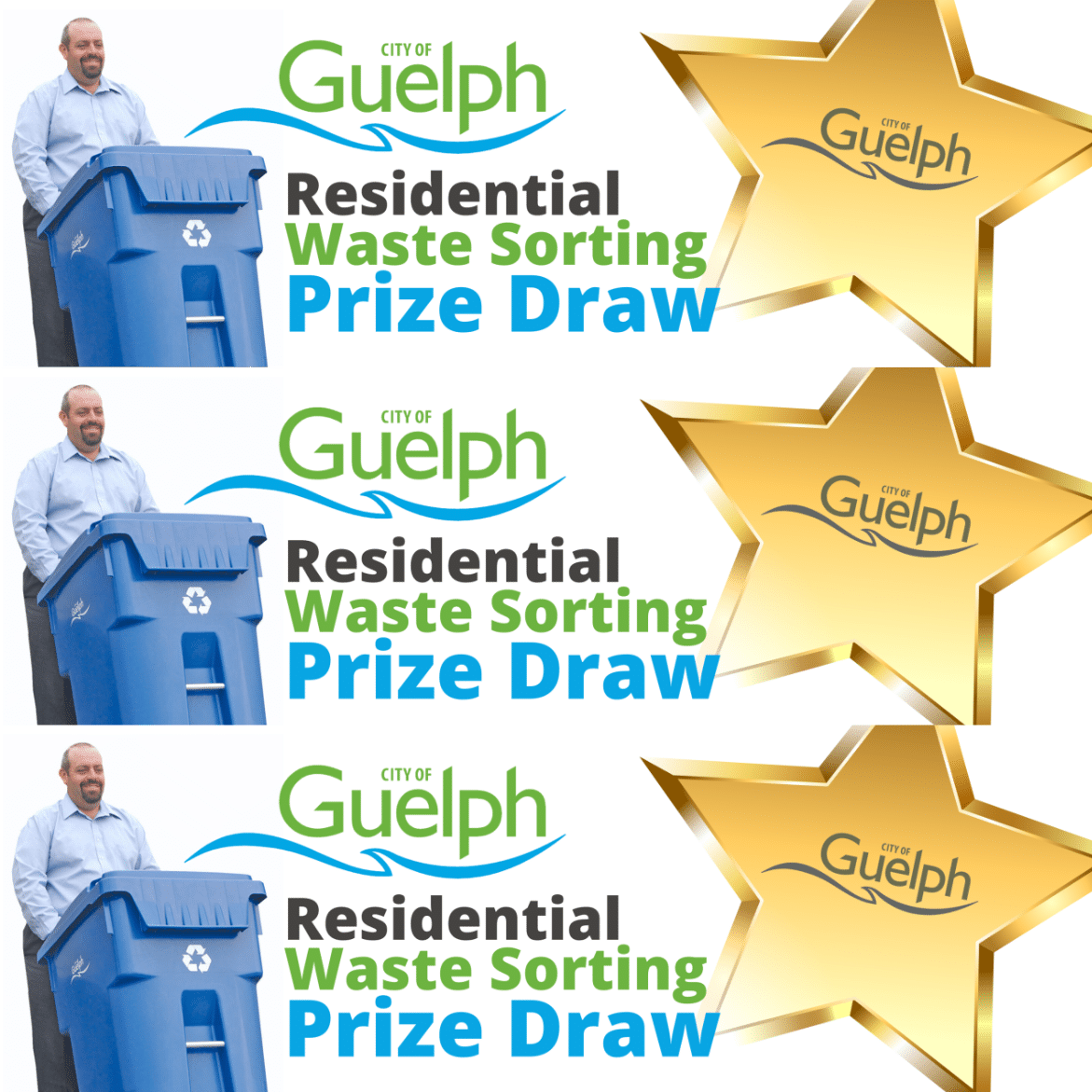
Improve Sorting and Organic Waste Diversion
Guelph-Wellington Local Government
Insights from the Motivations study led the local Guelph-Wellington government to take a pro-social approach to improve compost sorting and organic waste diversion.
Create Buzz for Upcycled Ingredients
The Guelph Box
Insights from the Motivations study led the Guelph Box to harness pro-social motivations thereby increasing their sales and creating excitement around upcycled ingredients.
Clarify Target Market
The Ethical Chair, Revivify with Share Reuse Repair Initiative
The Ethical Chair tested ‘eco-good’ vs. ‘social good’ messages (reduce waste to landfill vs. support local repair jobs) via a method called an A/B test to gauge which was most compelling to their audience.
Improve Sorting and Organic Waste Diversion
Guelph-Wellington Local Government
Insights from the Motivations study led the local Guelph-Wellington government to take a pro-social approach to improve compost sorting and organic waste diversion.
Create Buzz for Upcycled Ingredients
The Guelph Box
Insights from the Motivations study led the Guelph Box to harness pro-social motivations thereby increasing their sales and creating excitement around upcycled ingredients.
Clarify Target Market
The Ethical Chair, Revivify with Share Reuse Repair Initiative
The Ethical Chair tested ‘eco-good’ vs. ‘social good’ messages (reduce waste to landfill vs. support local repair jobs) via a method called an A/B test to gauge which was most compelling to their audience.
Expand Customer Base
Järki Särki (Sitra case study)
With very few domestic fish options on the market in Finland, a food waste entrepreneur used the motivations to seize new market opportunities for the Järki Särki brand.
Expand Customer Base
Järki Särki (Sitra case study)
With very few domestic fish options on the market in Finland, a food waste entrepreneur used the motivations to seize new market opportunities for the Järki Särki brand.